Iran, Oman Discuss Temporary Hormuz Shipping Route as US Talks Remain on Hold
Iran says it is discussing a temporary shipping route through the Strait of Hormuz with Oman to restore commercial shipping, while maintaining that negotiations with the United States have not resumed despite claims by Donald Trump.
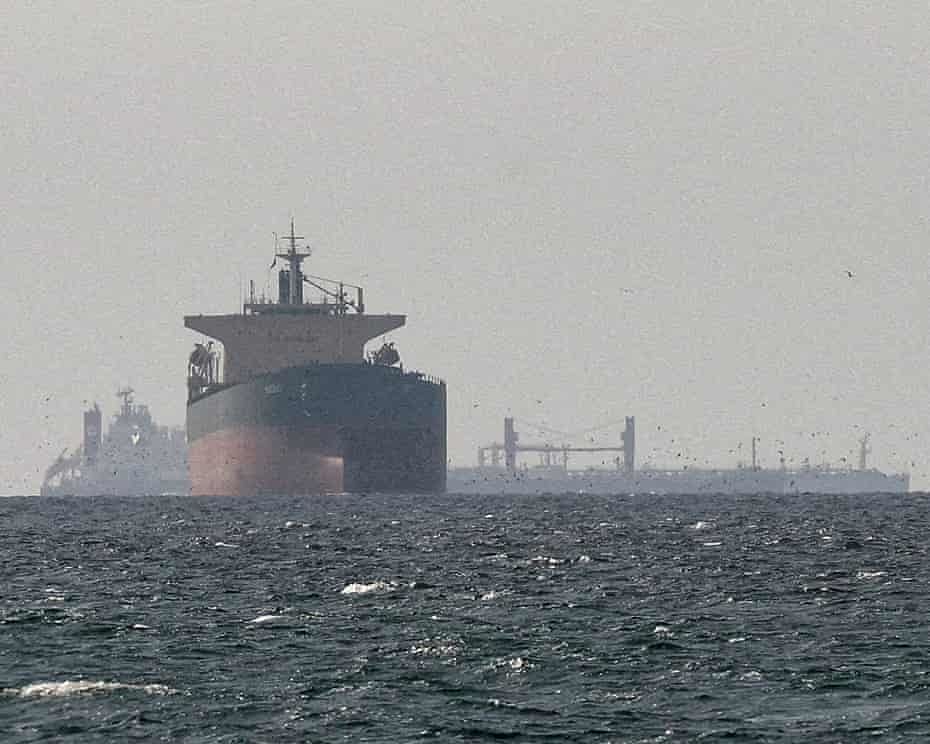
 NewsmongerOil tankers navigate maritime waters as Iran and Oman discuss temporary regional shipping routes.
Iran has confirmed that it is holding discussions with Oman on establishing a temporary shipping route through the Strait of Hormuz to allow commercial vessels to resume operations safely, even as it dismissed reports of an imminent return to negotiations with the United States.
Speaking on Monday, Iran's Foreign Ministry spokesperson, Esmail Baghaei, said the discussions with Oman are focused on creating a temporary maritime corridor that could restore commercial shipping through one of the world's busiest oil transit routes.
Baghaei also rejected claims by former US President Donald Trump that comprehensive talks between Washington and Tehran could resume as early as Monday.
Trump had stated that he suspended plans for what he described as the largest US military strike on any country since World War II after receiving a phone call from Saudi Arabia's Crown Prince, Mohammed bin Salman, who reportedly appealed for diplomacy. Trump added that the decision to halt the strike depended on Iran reaching an agreement quickly.
Meanwhile, Iran continues to push for greater control over maritime activities in the Strait of Hormuz, insisting on full sovereignty over the strategic waterway. Tehran is also proposing new regulations on shipping routes and has suggested introducing service charges for vessels in exchange for maritime support.
As part of the discussions, Iran has proposed the establishment of a joint Iranian-Omani company to provide maritime services for commercial ships.
The proposed arrangement is expected to offer services at lower costs than those currently charged by international insurance providers, with preferential rates for selected countries.
Progress on a mutually acceptable shipping route is considered a key requirement for implementing other provisions contained in the memorandum of understanding and ceasefire agreement signed on June 18.
However, disagreements over the implementation of the ceasefire have contributed to renewed hostilities, with tensions reportedly spreading beyond the Strait of Hormuz to the Red Sea and Iraq.
Last week, Iran's Deputy Foreign Minister, Kazem Gharibabadi, reiterated Tehran's position that most vessels entering the Strait of Hormuz should use a northern route close to Iranian waters, while allowing limited access to a southern passage.
Iran also rejected proposals for equal traffic distribution between the two routes and opposed any third country taking responsibility for de-mining the shipping lanes.
The Strait of Hormuz remains one of the world's most critical maritime chokepoints, handling a significant share of global oil exports, making any disruption or policy change in the area a major concern for international trade and energy markets.
Join the conversation
No comments yet. Be the first to share your thoughts.
Leave a comment
Just in news

Mashood Mustapha Appointed Kwara Ameerul Hajj for 2027 Pilgrimage

Kwara Garment Factory: Critics Question Timing of Commissioning

Kwara AFAN Hails AbdulRazaq’s Sardauna Honour, Calls for Stronger Focus on Agriculture

2027: NNPP Confirms Omokanye As Kwara Governorship Candidate
Related stories

South Africa Denies Stopping Visas for Nigerians Amid Anti-migrant Tension

US Tightens Green Card Checks: What Nigerians Applying Should Know

Iran Warns Gulf States: Aiding US Military Equals Joining the War

Global Leaders Seek Urgent Action as Desertification, Drought Threaten Livelihoods
From World

Iran’s Economic Hardship Deepens as Food Prices Soar

Firefighting Helicopter Crash Kills Two in Utah

Colombia’s New President Vows to ‘Crush’ Narco-Terrorism

Argentine Police Fire Tear Gas To Disperse Mass Protests In Buenos Aires

Two Convicted In France Over Live Streamed Death Of Digital Creator

US Imposes 15 Percent Tariff On Key Microchip Material To Counter China
Trending

Champions clinch title in dramatic extra-time finish

Tech giant beats forecasts on cloud and advertising strength

Cyberattack disrupts national transit ticketing system

Cabinet reshuffle brings four new faces to senior posts
