US Tightens Green Card Checks: What Nigerians Applying Should Know
Nigerians seeking U.S. permanent residency through adjustment of status will face stricter financial scrutiny from September 18, 2026, under updated USCIS public-charge guidance.
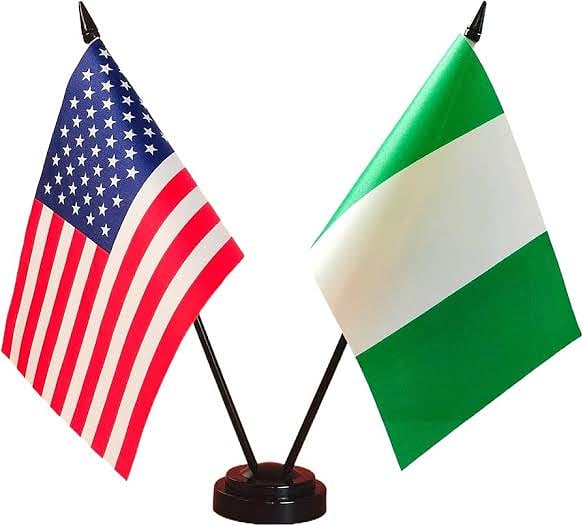
Nigerians seeking permanent residency in the United States through adjustment of status will face stricter financial scrutiny from September 18, 2026.
The new assessment will be carried out by the U.S. Citizenship and Immigration Services (USCIS) under its updated public-charge guidance.
The policy will apply to eligible Form I-485 applications submitted or postmarked on or after September 18.
Under the new rules, USCIS officers will determine whether an applicant is likely to become a public charge at any time in the future.
In carrying out the assessment, officers will consider five statutory factors: the applicant’s age, health, family status, assets and financial resources, and education and skills.
The agency may also review the Form I-864 Affidavit of Support, where applicable, as well as other relevant evidence contained in the applicant’s immigration record.
Nigerians applying for permanent residency are advised to ensure that their financial information is complete, accurate and consistent across all submitted documents.
Applicants should also prepare relevant evidence of income, assets, employment, education and available support where required.
Immigration advisers warn applicants against submitting false documents or relying on unverified information from agents, as inconsistencies could raise questions during the review.
However, humanitarian organisations have criticised the policy, saying it could affect vulnerable migrants, including trafficking survivors, abused children and others who fled difficult circumstances in their home countries.
The groups warned that some vulnerable applicants could face pressure to return to countries they previously fled.
The updated guidance concerns eligible adjustment-of-status applications and should not be confused with the requirements for every other category of U.S. visa.
Nigerian applicants are encouraged to verify the requirements for their specific immigration category and seek qualified legal advice where their cases involve financial difficulties, previous immigration issues or humanitarian circumstances.
Join the conversation
No comments yet. Be the first to share your thoughts.
Leave a comment
Just in news

South Africa Denies Stopping Visas for Nigerians Amid Anti-migrant Tension

Iran Warns Gulf States: Aiding US Military Equals Joining the War

Congo's Deadliest Ebola Outbreak: Over 5,000 Cases Confirmed Amid Global Aid Efforts
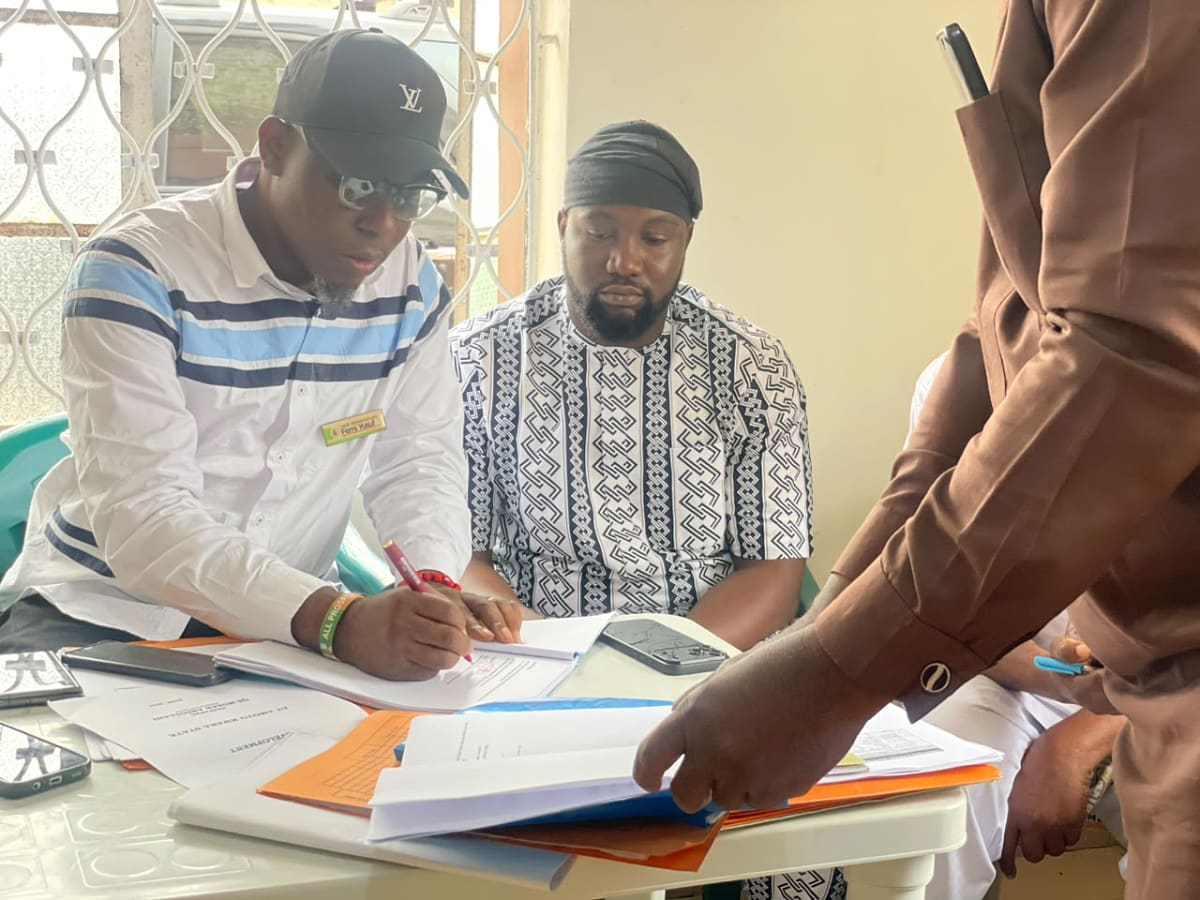
Ifelodun LG Signs MoU for Modern Motor Park in Amoyo
Related stories


From World

Firefighting Helicopter Crash Kills Two in Utah

Colombia’s New President Vows to ‘Crush’ Narco-Terrorism

Argentine Police Fire Tear Gas To Disperse Mass Protests In Buenos Aires

Two Convicted In France Over Live Streamed Death Of Digital Creator

US Imposes 15 Percent Tariff On Key Microchip Material To Counter China

Russian Ballistic Missile Attack Hits Kyiv, Killing At Least One
Trending

Champions clinch title in dramatic extra-time finish

Tech giant beats forecasts on cloud and advertising strength

Cyberattack disrupts national transit ticketing system

Cabinet reshuffle brings four new faces to senior posts
