
Uber Exit: Bolt Emerges as Major Option for Stranded Drivers, Riders in Nigeria
Uber's exit from Nigeria has created an opportunity for Bolt to attract stranded drivers and riders as the country's ride-hailing market enters a new phase.
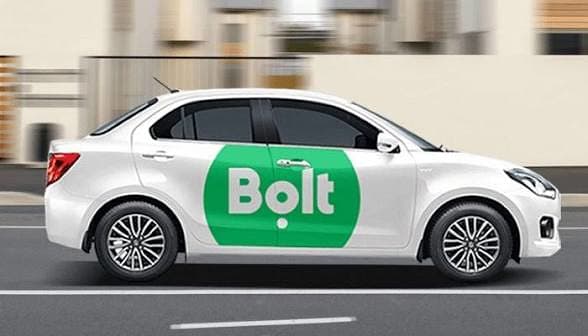
The exit of Uber from Nigeria has opened a fresh opportunity for rival ride-hailing platforms, with Bolt positioned as one of the biggest beneficiaries.
Uber discontinued its ride-hailing operations in Nigeria on September 2, 2026, after 12 years in the country.
The decision has left many drivers searching for alternative platforms and riders looking for reliable transportation options.
For drivers who depended solely on Uber, the exit presents a major challenge.
Some have vehicle loans, fuel costs and maintenance expenses to meet, making access to another steady source of income important.
Bolt, which has operated in Nigeria since 2016, appears well placed to attract some of these drivers and riders.
The company has said Nigeria remains an important market and that it intends to continue investing in its operations.
Bolt already has an established network of drivers and riders across several Nigerian cities.
Its experience in the local market could give it an advantage over platforms trying to attract Uber's former users.
Safety and reliability are also expected to play a major role. Ride-hailing users increasingly want proper driver verification, identifiable vehicles, emergency support, trip monitoring and responsive customer service.
The company has also recently received clearance from the Federal Airports Authority of Nigeria (FAAN) to resume e-hailing services at FAAN-managed airports after an operational disruption.
For former Uber drivers, however, simply moving to another platform may not be enough.
High fuel costs, vehicle maintenance, traffic, financing obligations and changing demand continue to affect the earnings of ride-hailing drivers.
This means platforms seeking to attract Uber's former drivers will have to show that they can provide sustainable earning opportunities rather than simply recruit them.
With Uber's departure, the Nigerian market now has fewer major ride-hailing choices, including Bolt, LagRide and inDrive.
Uber's exit has changed the competitive landscape, but it has not reduced Nigerians' need for affordable and reliable transportation.
For Bolt, the development presents an opportunity to expand its user base and strengthen its position in Nigeria.
For drivers, it provides another platform to continue earning. For riders, it could mean continued access to app-based transportation despite Uber's departure.
The coming months will show whether Bolt can turn the disruption created by Uber's exit into a lasting advantage in Nigeria's competitive mobility market.
Join the conversation
No comments yet. Be the first to share your thoughts.
Leave a comment
Just in news

2027: NNPP Confirms Omokanye As Kwara Governorship Candidate

Oko-Olowo Flyover: Online Reactions Trail Credit Battle Between AbdulRazaq, Mustapha

Customs Seizes Tramadol, Foreign Spaghetti, Rice, Vehicles Worth ₦604.3m in Kwara

Oko-Olowo Flyover: Relief Finally Comes for Residents After Years of Accident Fears
Related stories

Foreign Investors Pull N266bn From Nigeria’s Equities Market in Three Years

OPay Deploys AI, Data Analytics to Strengthen Fraud Prevention

Elon Musk’s Wealth Jumps $30.7bn in 24 Hours to $894.9bn

Federal Government Unveils Tinubu Light Initiative For One Million Small Businesses
From Business

Nigerians Spend N1.41 Trillion on Beverage Drinks in Six Months

Tech giant beats forecasts on cloud and advertising strength
Markets rally on central bank signal to pause rate hikes

Regulators open in-depth antitrust probe into mega-merger

Enterprise AI startups pull in record quarterly funding

Semiconductor exports jump as demand for AI chips accelerates
Trending

Champions clinch title in dramatic extra-time finish
Tech giant beats forecasts on cloud and advertising strength

Cyberattack disrupts national transit ticketing system

Cabinet reshuffle brings four new faces to senior posts
