Nigeria’s Ebola Challenge Deepens As WHO Confirms No Approved Vaccine, Specific Treatment For Bundibugyo Strain
Nigeria is confronting its first confirmed case of Bundibugyo Ebola virus disease, with the WHO warning that no licensed vaccine or specifically approved treatment is available for the strain. Authorities have identified 44 contacts and intensified containment efforts in Abuja.
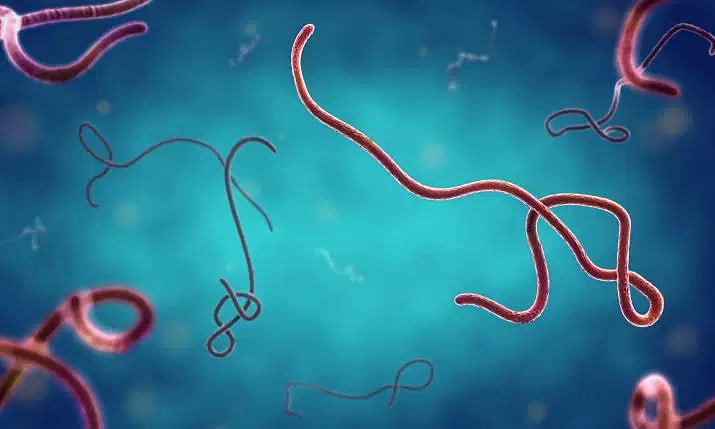
 NewsmongerA microscopic illustration shows thread-like Ebola virus particles, highlighting ongoing concerns over treatment and vaccine availability.
Nigeria’s response to its first confirmed case of Bundibugyo Ebola virus disease has drawn renewed attention to the challenges facing health authorities, following confirmation by the World Health Organisation (WHO) that no licensed vaccine or specifically approved treatment is currently available for the strain.
The development comes as public health officials intensify efforts to prevent further transmission of the virus, with contact tracing, patient isolation and enhanced disease surveillance forming key components of the national response.
According to the WHO, the confirmed case involves a woman with a recent travel history to Uganda who is receiving medical care in isolation in Abuja, the Federal Capital Territory.
The patient reportedly developed symptoms on October 7, four days after arriving in Nigeria, and sought medical attention at a private health facility on October 11. Laboratory testing subsequently confirmed the Bundibugyo virus on October 20.
Health authorities have identified 44 contacts linked to the case, who are being monitored as investigations continue to establish the circumstances surrounding the infection.
The WHO has emphasised that the absence of a licensed vaccine or a specifically approved treatment for Bundibugyo Ebola presents a significant public health challenge. However, supportive medical care remains essential in managing patients and addressing complications associated with the disease.
The Bundibugyo strain is distinct from the Ebola virus species for which licensed vaccines and specific treatments are available. Consequently, the existence of such medical interventions for other Ebola strains should not be interpreted as evidence that they are approved for Bundibugyo disease.
Nigeria Steps Up Containment Measures
The Nigeria Centre for Disease Control and Prevention (NCDC) has activated its incident management system to coordinate the response, working alongside the Federal Ministry of Health and Social Welfare, the WHO and other relevant partners.
Measures being pursued include tracing and monitoring people who may have had contact with the infected patient, strengthening infection prevention and control in the health facility where she initially received care, and ensuring that health workers have access to essential protective supplies.
The Federal Government has also urged Nigerians to remain calm while taking public health guidance seriously.
Health authorities are continuing investigations into the patient's travel history and possible exposure to the virus. Her transit through Uganda does not, in itself, establish that she contracted the infection there, as the precise source of exposure remains under investigation.
Ugandan health authorities have requested additional travel and clinical information from Nigeria to support their own investigations and determine whether further public health measures are necessary.
Calls For Stronger Screening At Entry Points
The confirmed case has also prompted renewed calls for stronger screening and emergency preparedness at Nigeria's international entry points.
Members of the National Assembly have urged the relevant authorities to strengthen passenger screening at international airports, seaports and designated land borders, alongside improved disease surveillance and the provision of adequate emergency resources.
Proposals have also been raised for modernising Nigeria's legal framework for controlling infectious diseases, including reviewing the existing Quarantine Act, which dates back to 1926.
The calls reflect concerns about the need for faster detection, better coordination among health agencies and adequate funding to respond effectively to emerging public health threats.
Public Urged To Remain Vigilant
Ebola can spread through direct contact with the blood and other bodily fluids of an infected person who is symptomatic, as well as through contaminated objects. Appropriate infection prevention measures are therefore essential, particularly for healthcare workers and people caring for suspected cases.
Members of the public are advised to maintain good hand hygiene, avoid contact with the bodily fluids of suspected cases and seek prompt medical attention if they develop compatible symptoms after possible exposure.
People who suspect they may have been exposed should inform healthcare professionals about their symptoms, travel history and any relevant contact with a suspected case.
The WHO continues to support Nigerian authorities with surveillance, contact tracing, infection prevention and control, and the provision of essential supplies.
With investigations ongoing, the immediate priority remains identifying possible exposures, preventing onward transmission and ensuring that suspected cases receive timely medical assessment.
Join the conversation
No comments yet. Be the first to share your thoughts.
Leave a comment
Just in news

FG Introduces USSD Loan Platform, Allows Nigerians to Apply Without Internet

Why Most Nigeria's Mass Communication Graduates Are Not Employable.

CSOs Challenge Judiciary to Rebuild Public Trust Through Uzodimma-Okorocha Legal Dispute

Cleric Accuses Nigeria of Celebrating Illicit Wealth at Expense of Creativity
Related stories

Ebola: FG Seeks Cooperation From Passengers as 44 Contacts Are Identified

NAFDAC Discovers Over 20 Illegal Stores in Lagos, Seizes Fake Drinks Worth ₦2bn

Congo's Deadliest Ebola Outbreak: Over 5,000 Cases Confirmed Amid Global Aid Efforts

Vaccine trial reports strong results in late-stage study
From Health


Trending

Champions clinch title in dramatic extra-time finish

Tech giant beats forecasts on cloud and advertising strength

Cyberattack disrupts national transit ticketing system

Cabinet reshuffle brings four new faces to senior posts
