
FG Explains How N15.8trn Subsidy Savings Were Used — Oyedele
Finance Minister Taiwo Oyedele says N15.8 trillion generated from fuel subsidy removal and foreign exchange reforms was deployed to wages, pensions, infrastructure, student loans, social transfers, agriculture and other government priorities.
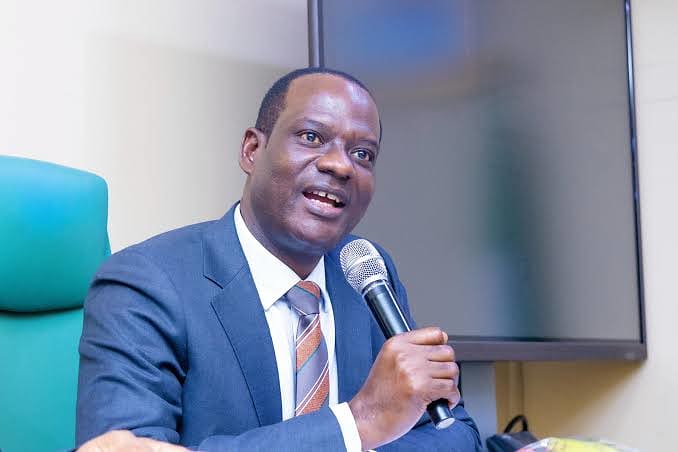
Finance and Coordinating Minister of the Economy, Taiwo Oyedele, has disclosed how the Federal Government deployed N15.8 trillion generated from the removal of fuel subsidy and foreign exchange market reforms between June 2023 and December 2025.
Oyedele made the disclosure on Wednesday while presenting the government’s reform scorecard, titled “The Benefits, Costs and Harm Prevented.”
According to the minister, the resources supported wage increases and the payment of salaries and pensions, as well as the settlement of pension arrears and gratuities owed to retirees.
He said the funds also contributed to infrastructure development, the Nigerian Education Loan Fund (NELFUND), affordable consumer and small business credit, mortgage and housing schemes, and social transfers targeting about 15 million vulnerable households.
Oyedele further listed agricultural interventions to strengthen food security, efforts to maintain fuel availability and address energy shortages, and measures aimed at restoring investor confidence and attracting local and foreign investment.
Other areas highlighted included tax exemptions for low-income earners and small businesses, as well as the creation of what the government described as a more business-friendly tax environment.
The minister’s disclosure comes amid continued public debate over the impact of President Bola Tinubu’s economic reforms, particularly the removal of petrol subsidy and the liberalisation of the foreign exchange market.
Join the conversation
No comments yet. Be the first to share your thoughts.
Leave a comment
Just in news

Kwara Tops Northern Nigeria in Teachers’ Professional Exam With 93.8% Pass Rate

Ogun Declares Thursday Public Holiday for Traditional Worshippers Day

OPay Deploys AI, Data Analytics to Strengthen Fraud Prevention

South Africa Denies Stopping Visas for Nigerians Amid Anti-migrant Tension



From Economy


Trending

Champions clinch title in dramatic extra-time finish

Tech giant beats forecasts on cloud and advertising strength

Cyberattack disrupts national transit ticketing system

Cabinet reshuffle brings four new faces to senior posts
